


Deoksugung Palace was proclaimed the Imperial Palace of the Korean Empire in 1897, but it had a relatively long history before it was used by the royal family. Therefore, there are many pavilions that were located in the palace and used before the name Deoksugung Palace was given.
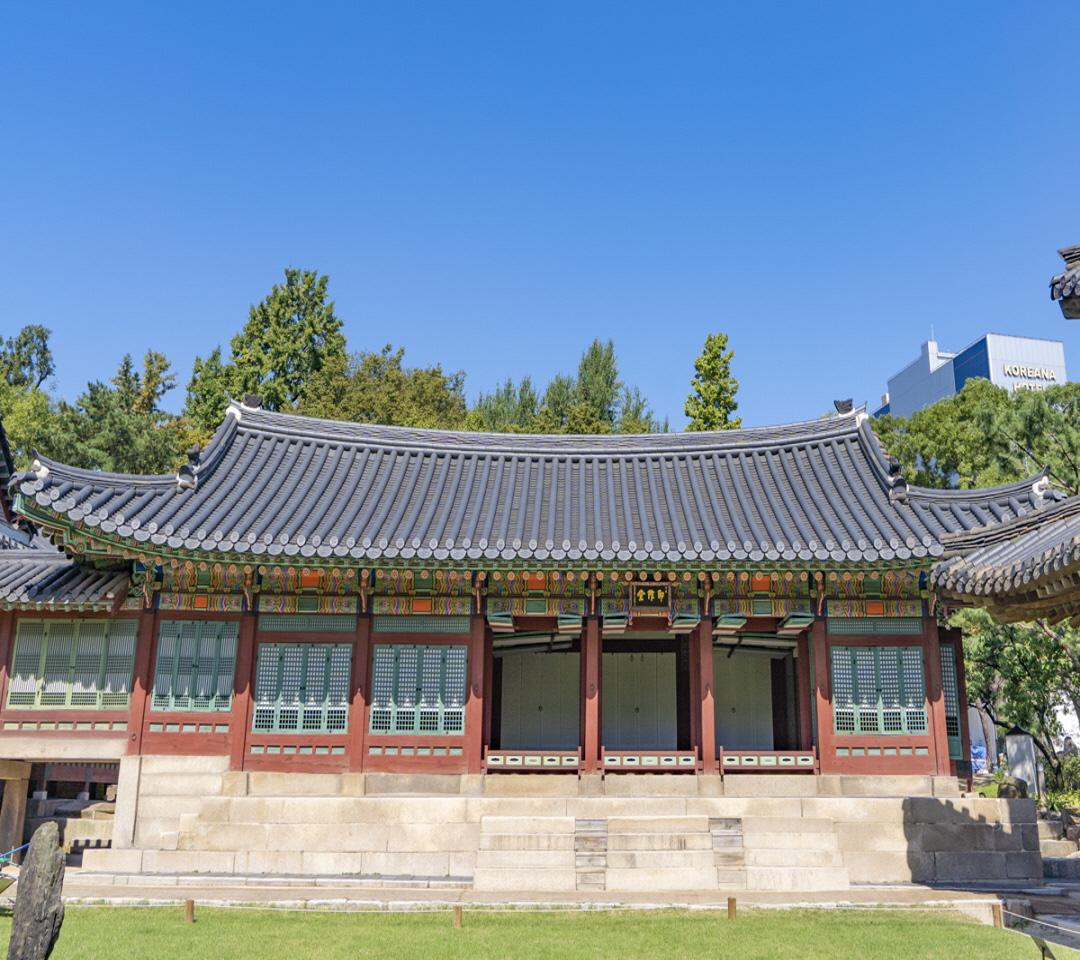
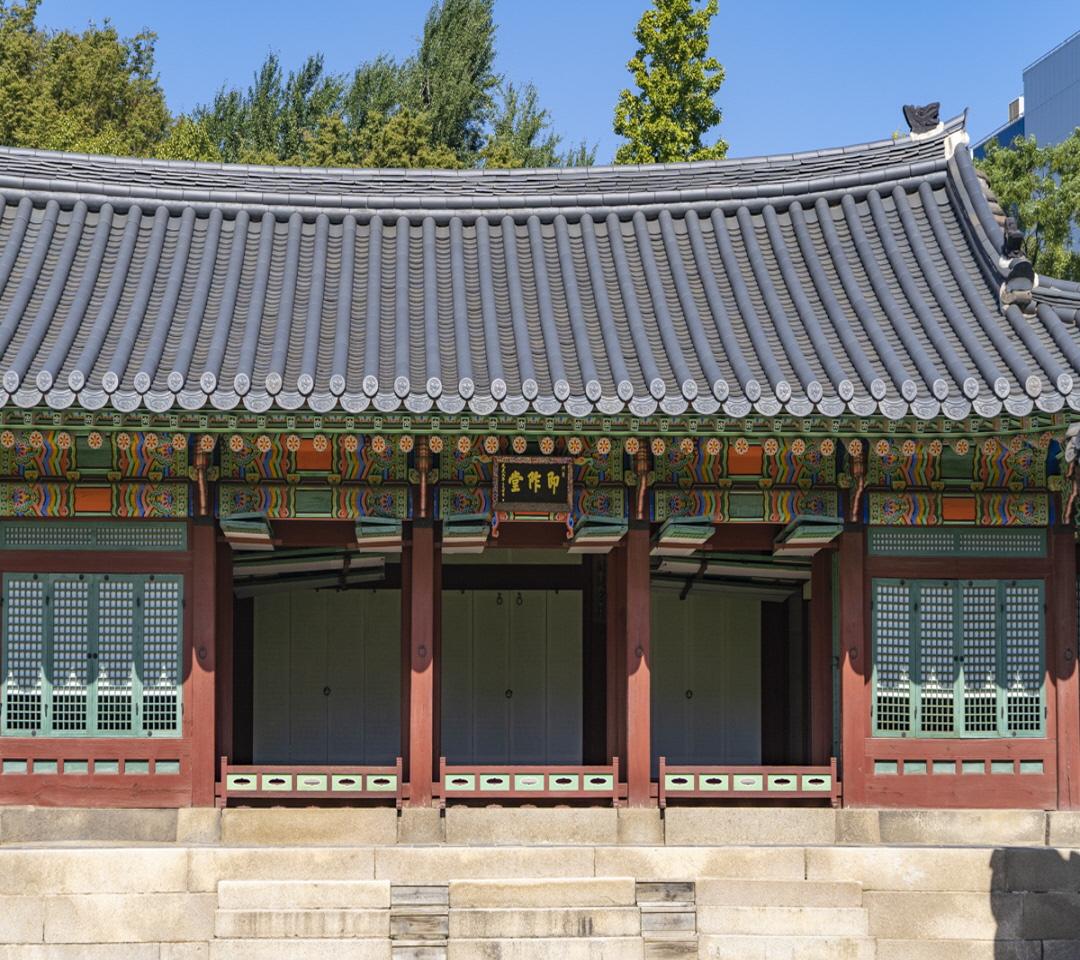
Jeukjodang Hall is one of the oldest pavilions in the palace. King Seonjo, who fled to Uiju during the Japanese invasion of Korea in 1592, used it as an office after he returned to the palace. In 1623, King Injo ascended the throne, and King Yeongjo drew a plaque, "GyehyeJeukjodang,” to commemorate his accession to the throne in the past. The meaning of the plaque was “King Injo was crowned in the year of Gyehye”.
King Injo named the hall Jeukjodang Hall. It was once called Taegeukjeon Hall during the reign of Emperor Gojong. However, its name was changed back to Jeukjodang Hall again after Junghwajeon Hall was built in 1902. The hall was once destroyed by the great fire of Deoksugung Palace in 1904, but it was rebuilt into the current building in March of the same year.
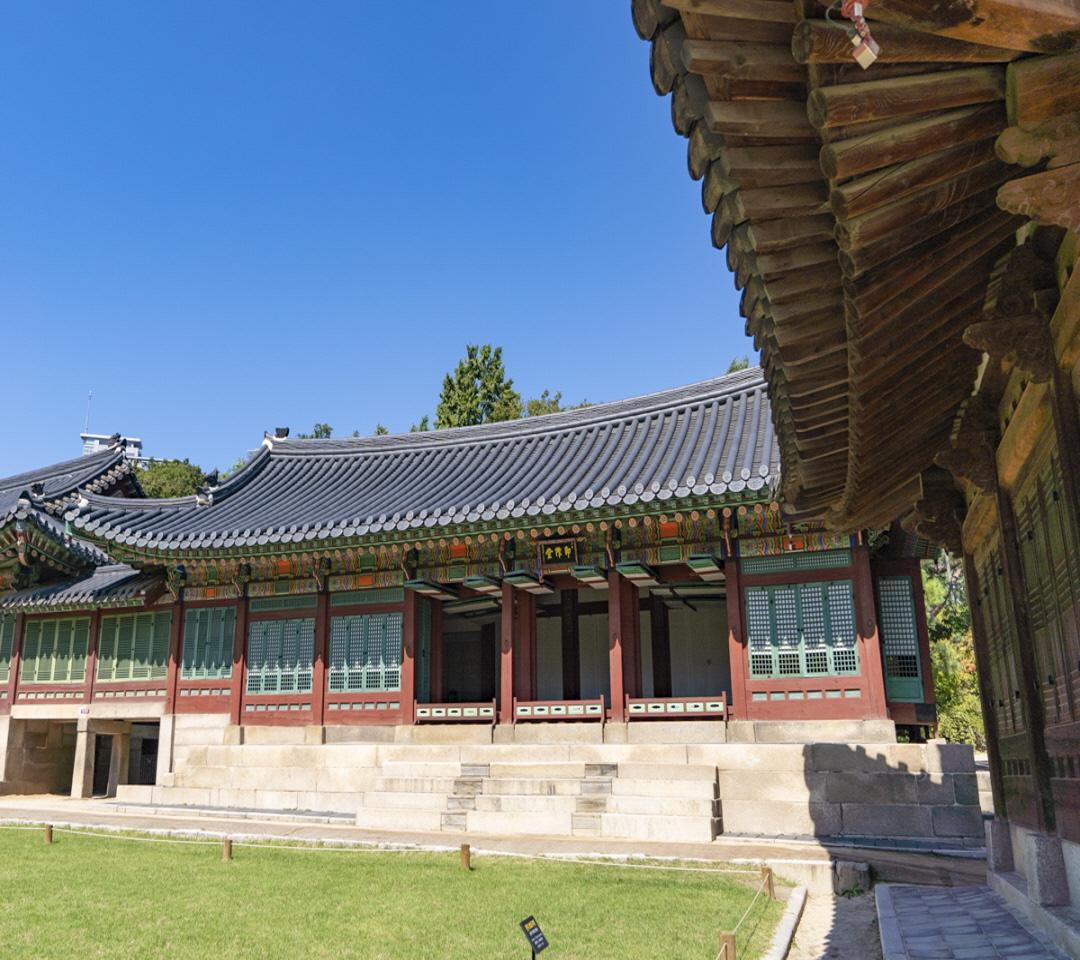
Jeukjodang Hall has a corridor connecting with Junmyeongdang Hall to the west. It has seven sections across the front and four sections on the side. In front of the hall, there are some stones placed in the courtyard. Originally, there were no fantastic stones as part of the landscaping of Deoksugung Palace. The stones in the courtyard were brought from Changgyeonggung Palace in 1984, as Jeukjodang Hall was once the royal bed chamber, which was supposed to have the stones placed nearby.
Jeukjodang Hall (Deoksugung Palace)
@Registered by : KOREA TOURISM ORGANIZATION