


Functions of dolmens
[Man]
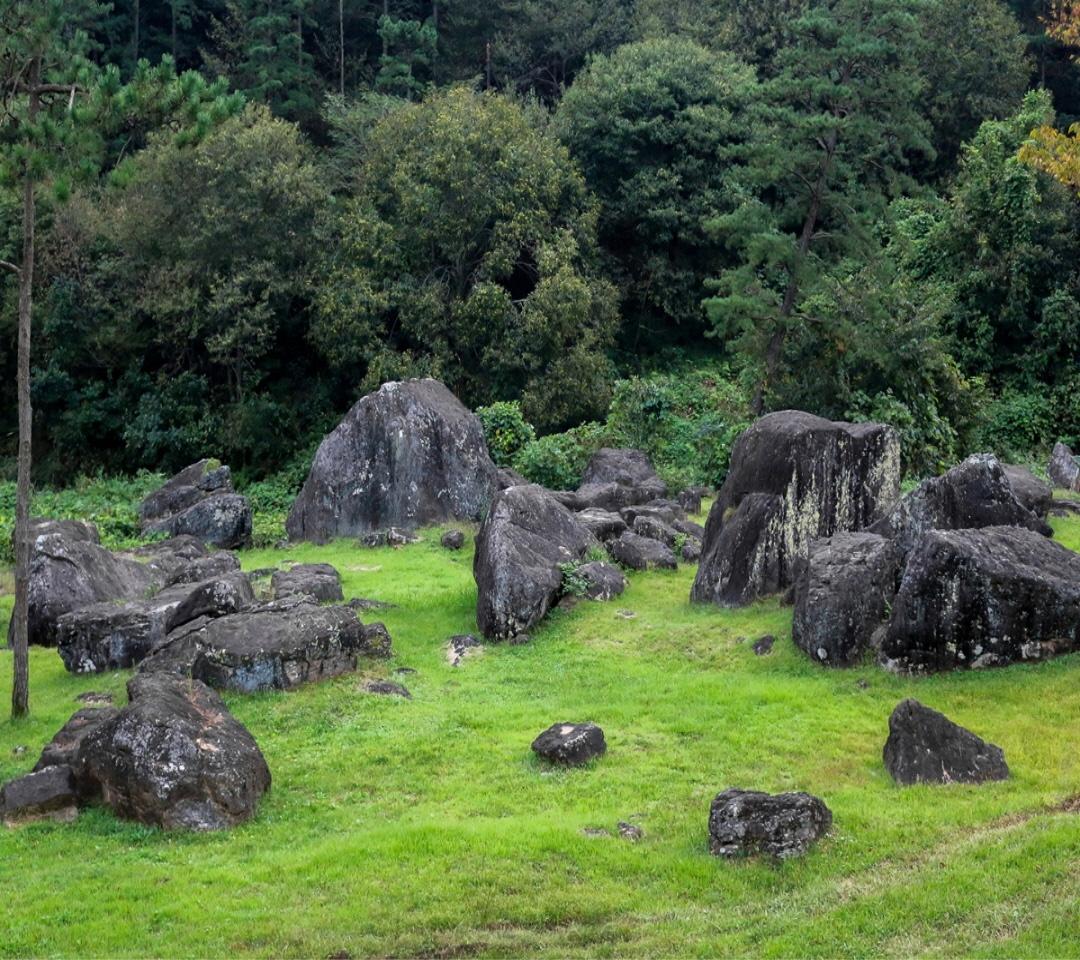
The dolmen, part of megalithic culture, has three key functions. First, the dolmen, a prehistoric tomb with a huge capstone placed above the ground or an underground burial chamber, serves as a tomb.
[Woman]
In 1962, the National Museum of Korea conducted two excavations of dolmens in Hwangseok-ri of Chungcheongbuk-do.
[Archaeologist 1]
“Huh? What are these?”
[Archaeologist 2]
“What? What's going on?”
[Archaeologist 1]
“Sir, I think you should see this. Please take a look.” What...? Is this what I think it is? It looks like a human bone, doesn't it?
[Archaeologist 2]
“Yes! That's right. This is indeed a human bone.”
[Archaeologist 1]
“Then it must have been a tomb.”
[Woman]
Among them, a human bone of a [male] adult was found in its complete form, and its function as a tomb was reported to the academic world. Although no human bones have been discovered in Jeollanam-do, it is assumed to have served as a tomb given the size of the burial chamber inside the dolmen. The evidence demonstrating its use as a tomb is that dolmens are distributed in groups at each location, that human bones have been found, and that grave items buried during the construction of the tomb have been discovered.
[Man]
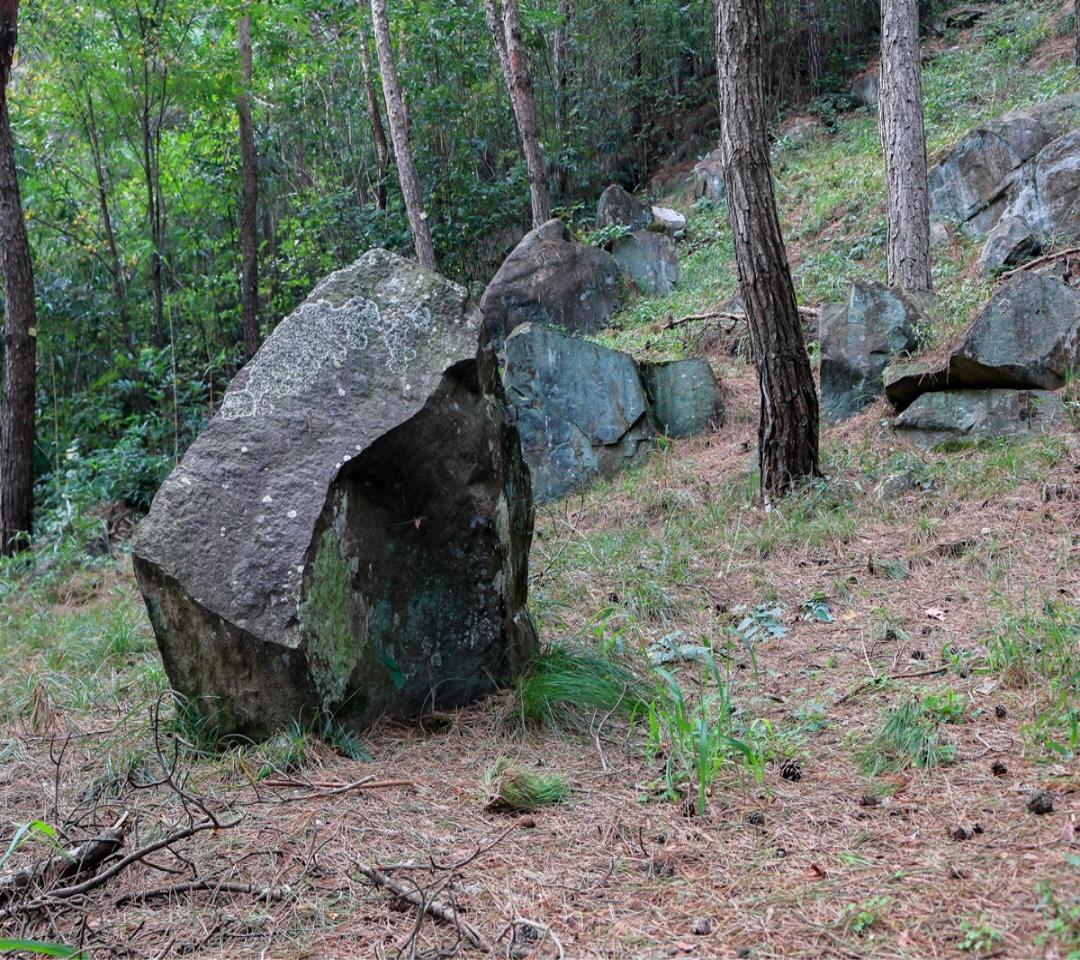
Second, the dolmen served as an altar. The dolmens that have the characteristics of an altar have three different conditions from dolmens that served as tombs because they were the venue for religious events or ceremonies. First, each of these dolmens stands independently, maintaining a certain distance from the cluster. Second, it is supported by a large oddly-shaped stone capstone and large propping stones which show distinct size and appearance from other dolmens. Third, it is located on high ground overlooking the surrounding area. Based on the combination of these factors, it is assumed that such dolmens served as altars rather than tombs. A society building dolmens needed symbolic monuments to strengthen the cooperation and solidarity of different groups. It is thus estimated that dolmens were built and used as altars.
[Tribe member 1]
“Move the stones, quickly!”
[Tribe member 2]
“Why are we building this, anyway?”
[Tribe member 1]
"To show off the strength of our tribe. A few days ago, our neighboring tribe bragged about building a dolmen! The chief saw it, and said we should build one too! We can't let them beat us at it!”
[Tribe member 2]
Of course! “We can do better! We should build it bigger and grander!"
[Woman]
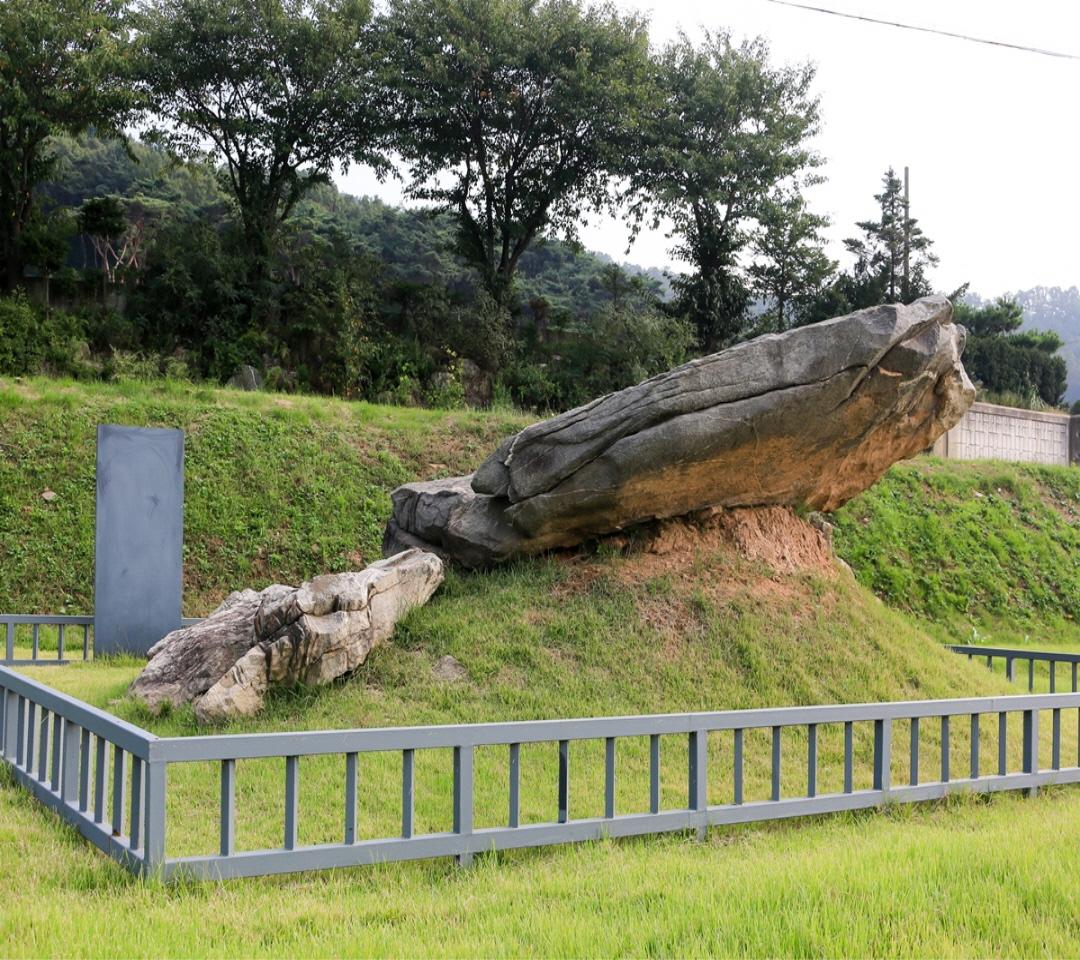
The third function of dolmens is to serve as a headstone. They were used to demonstrate the authority and power of the group that built the monument, symbolizing the graveyard or being the graveyard itself. In some cases, dolmens form a cluster, and a dolmen that is unusually large compared to other dolmens or is located differently from other dolmens served as a headstone.
10, Segye-ro, Wonju-si, Gangwon-do (PC) 26464
TEL : +82-33-738-3852
Copyright© Korea Tourism Organization. All Rights Reserved.