


What is dolmen?
[Teacher]
"There are stone statues and tombs made of large, heavy, sturdy rocks in the world. Examples include the pyramids, which are large tombs in Egypt, Stonehenge, the mysterious megalithic monument in England, and the Moai statues, the huge face sculptures on Easter Island. It is called megalithic culture."
[Student]
"Is there also megalithic culture in Korea?"
[Teacher]
“Of course there is.”
[Student]
"What is it?"
[Teacher]
"The representative megalithic culture of Korea would be the dolmens. “
[Student]
"The dolmen was part of the megalithic culture?"
[Teacher]
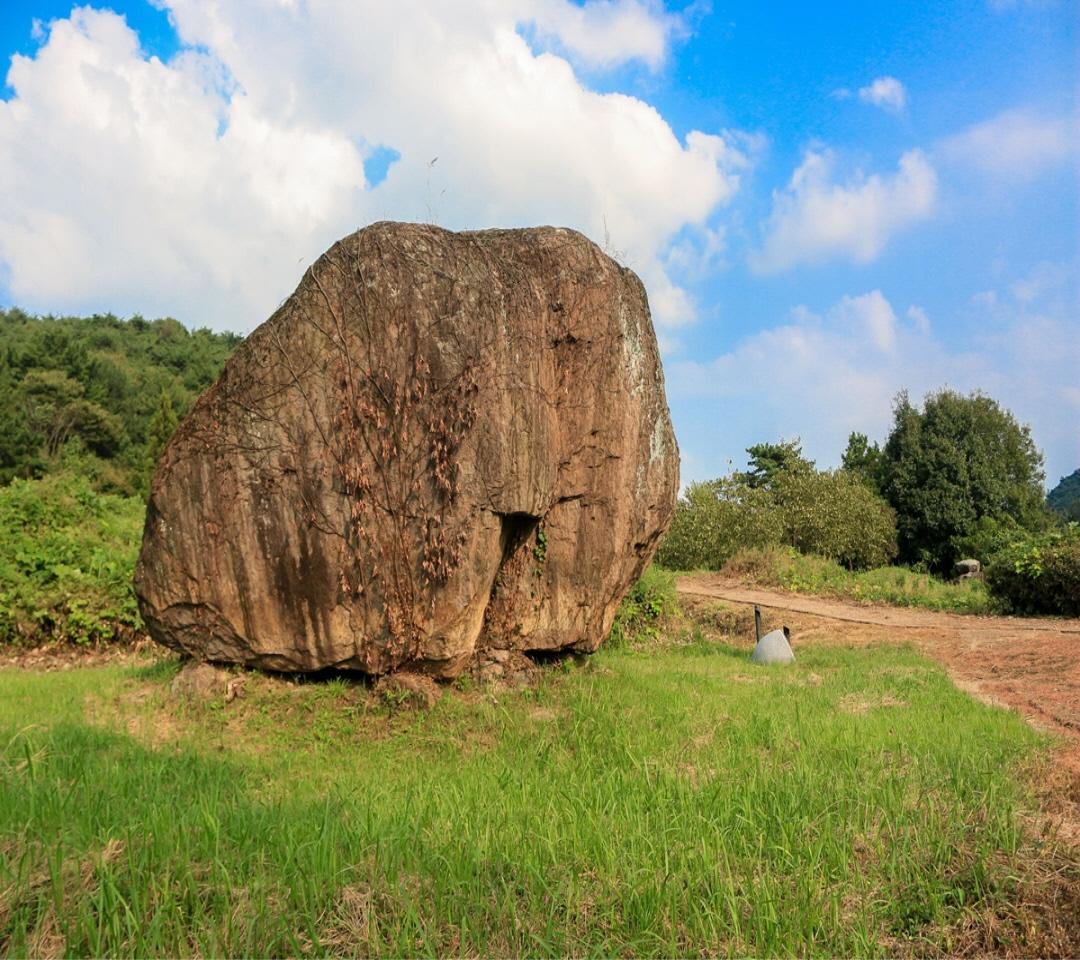
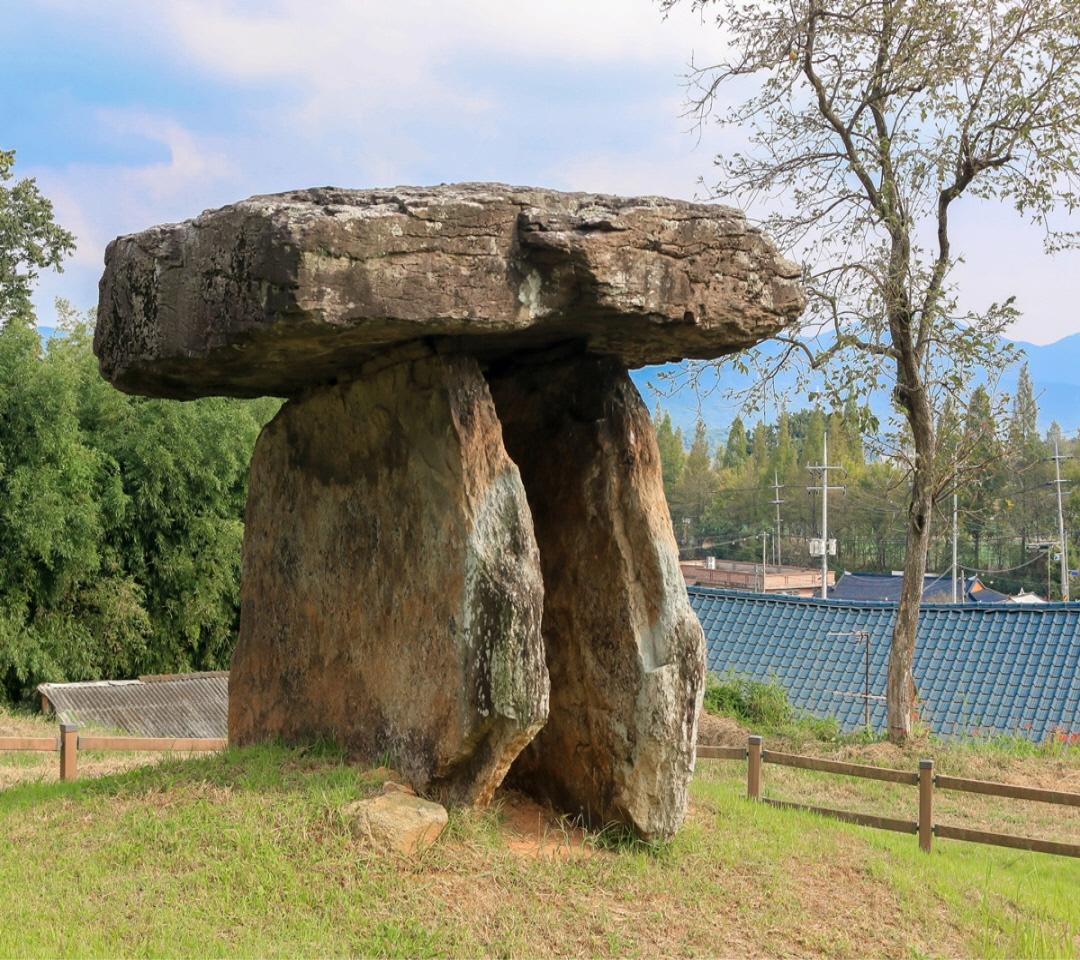
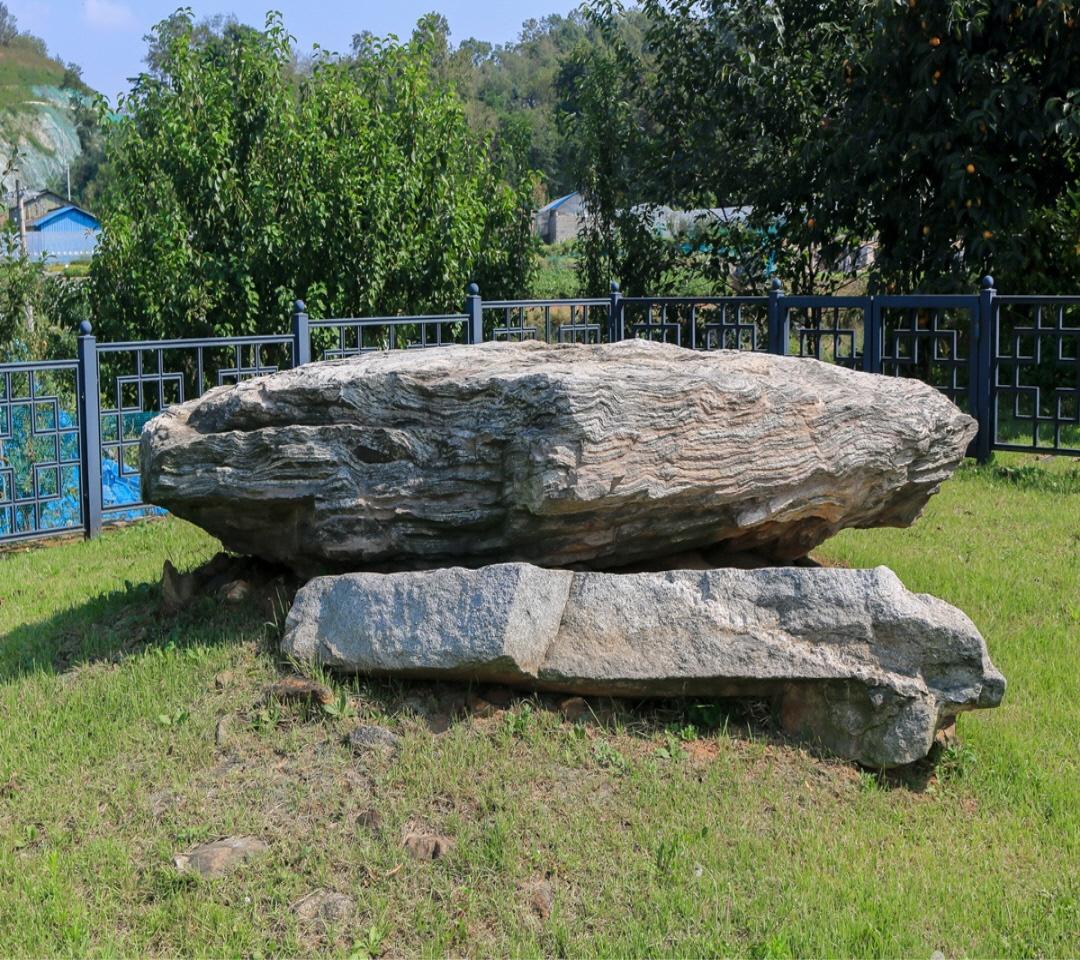
"Most of the dolmens are prehistoric tombs with a large stone placed above a burial chamber made on the ground or underground. The dolmens are also called "Jiseokmyo", which are made of a flat stone or an oddly shaped stone with supporting stones placed underneath.
[Student]
"Sir, dolmens aren't only found in Korea, are they?”
[Teacher]
"Starting from northern Europe, the dolmens are concentrated in the United Kingdom in Western Europe, throughout France, Switzerland, and the Iberian Peninsula, then in the northern part of the Mediterranean sea, the Middle East, India and Southeast Asia, and in China's Fujian, Zhejiang Province, Shandong Province, Liaodong Peninsula, the southern part of Jilin Province, the entire Korean Peninsula, and in Kyushu, Japan."
[Man]
Dolmens were generally built on plateaus around a river basin and on low hills. Dolmens are more frequently distributed in slightly higher plains near mountains and hills and coastal areas than in large plains. In the river basin, they are largely placed to match the direction that the stream flows, mainly because the human dwellings primarily developed in those areas. The reason that there are no dolmens in the vast plains is that most of them were there before the areas were developed, and those areas were not used for human living. It is highly likely that the residential areas, farmland, and tombs were built here, as the plateau or a slightly higher hill was located at the foot of a sunny mountain, thus making it easy to get water and firewood for living while the hunting ground also remained close. It was because it was highly accessible.
[Woman]
The dolmens are alternatively referred to as Dokbaegi, Baubaegi, or Dokbau, as they have natural stones buried underground, while go-board dolmens are alternatively called Gwanbau or Amdakbau. They may also be called Baebau, Geobukbau, Duggeobibau, or Gaeguribau depending on the shape of their capstones. A dolmen was also called Chilseongbau due to its shape of arrangement in connection with folk beliefs, or Janggunbau in a belief that a Janggun, meaning army general in Korean, moved the stones but then stopped. The names of the villages are sometimes related to dolmens, such as Juam, which resembles Baebawi Rock, Guam, meaning turtle rock, and Chilam, which means chilseong rock.
10, Segye-ro, Wonju-si, Gangwon-do (PC) 26464
TEL : +82-33-738-3852
Copyright© Korea Tourism Organization. All Rights Reserved.