

The Story of a Fortress Built by the Japanese During the Japanese Invasions of Korea
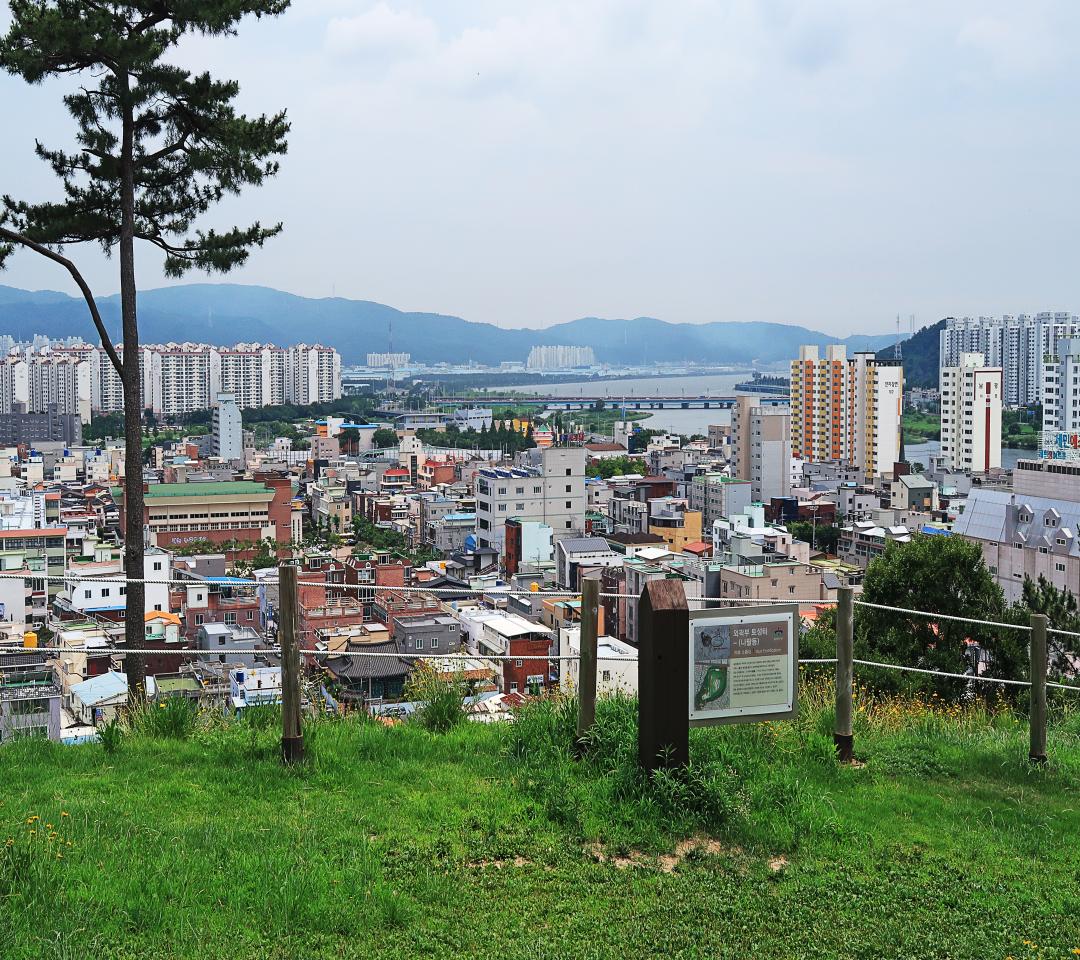
Ulsan Japanese Fortress was a major transportation hub to mainland Japan for the Japanese forces because it's located right next to Taehwagang River, making it possible to send and receive goods by boat.
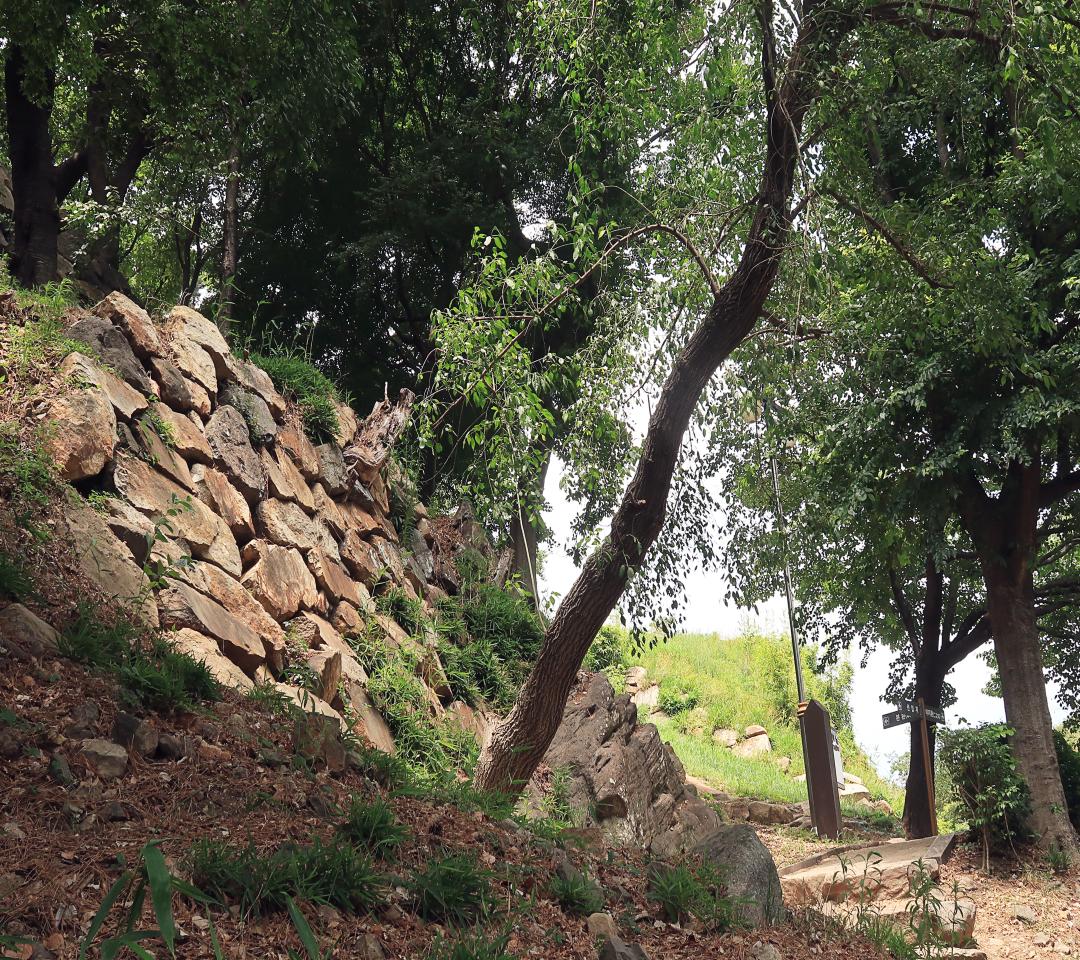
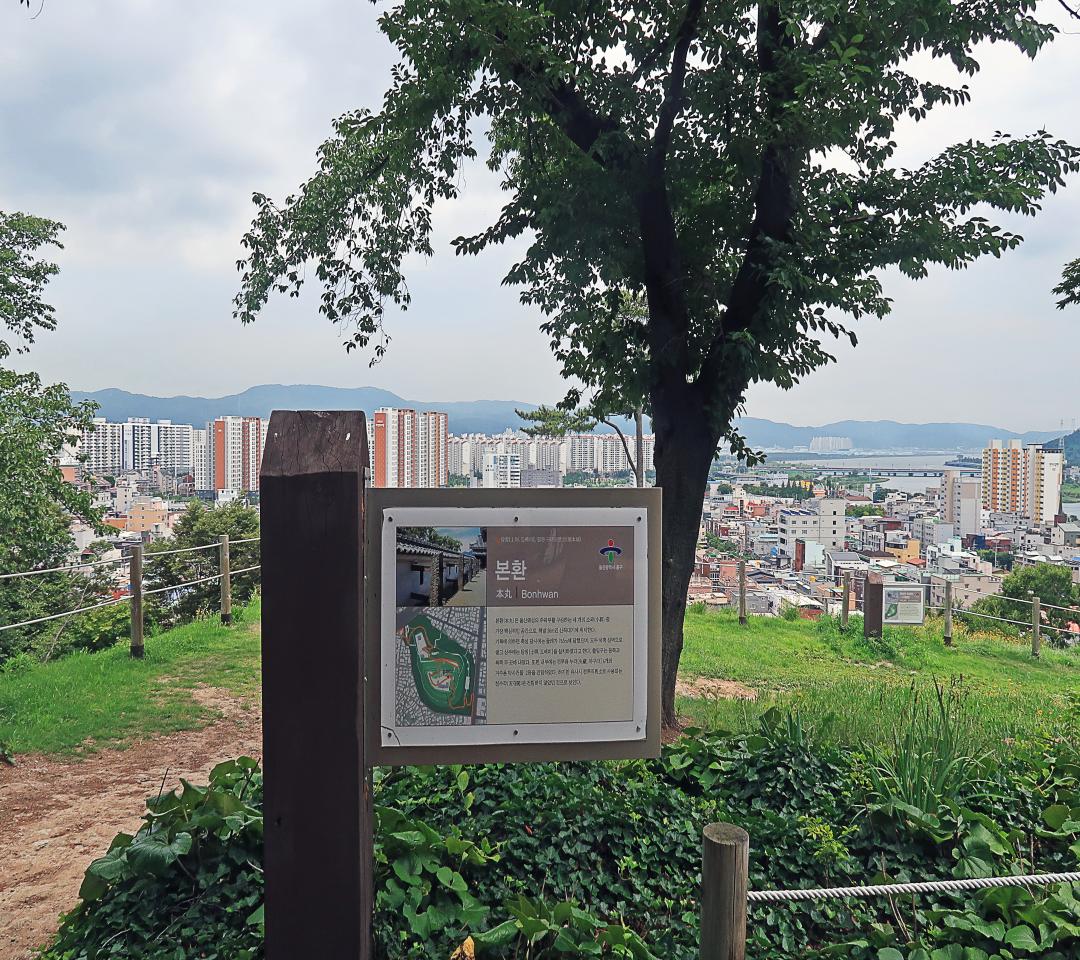
Dosanseong Fortress, which was named as such because the mountain looked like an island, is also known as the Japanese Fortress because it was built by the Japanese forces during the Japanese Invasions of Korea.
In August 1597, in the 30th year of King Seonjo’s reign, the Toyotomi regime of Japan ordered the invasion of Korea once more after the truce talks failed to yield results.
At the time, the Japanese forces built a number of fortresses along the south coast of the Korean Peninsula, and Ulsan Japanese Fortress is one of them.
The fortress was designed by the Japanese daimyo Kato Kiyomasa, and built by using the rocks from Ulsaneupseong Fortress and the Military Headquarters in Ulsan.
It was around the time when the Japanese ships failed to land on the west coast after their defeat in the Battle of Myeongnyang against General Yi Sun-shin and the retreat of the Japanese troops to the coasts of Gyeongsang-do and Jeolla-do after they were also defeated while advancing to the norther part of the Korean Peninsula.
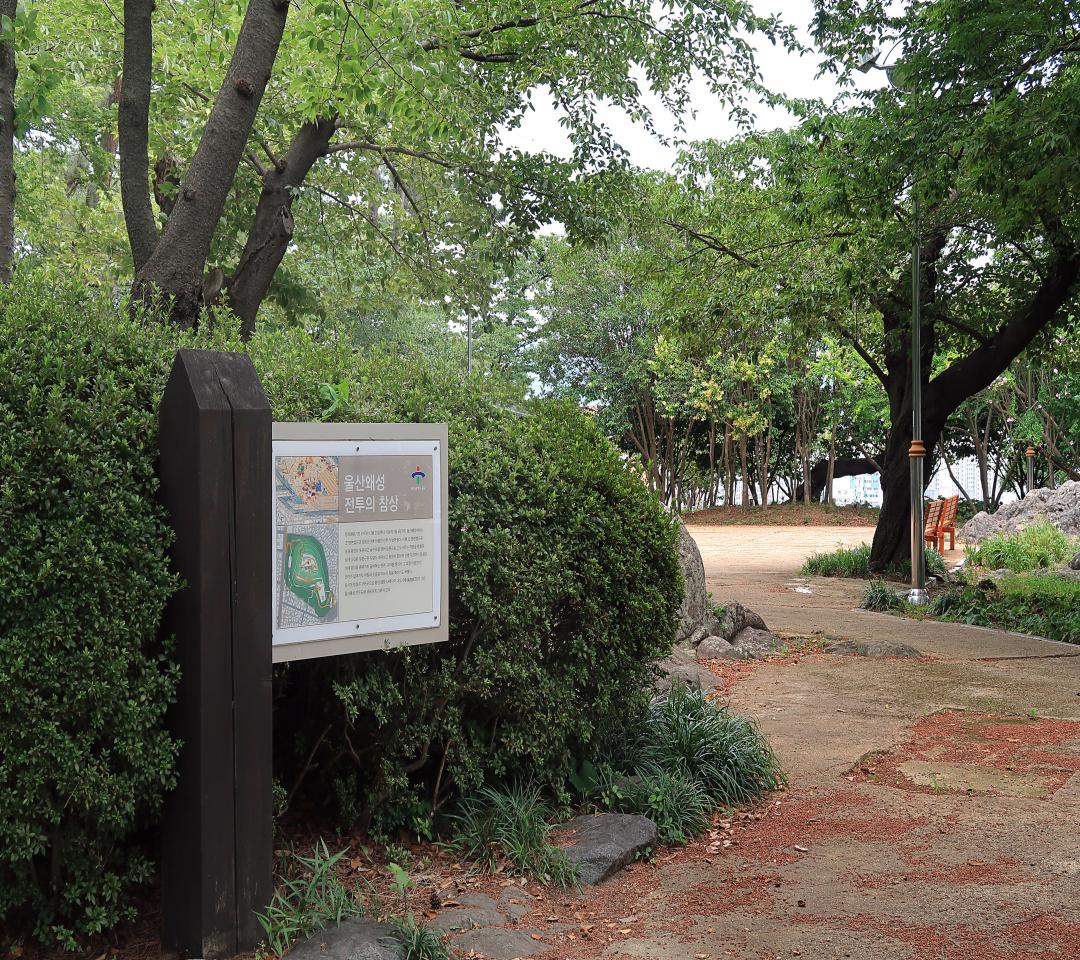
The allied forces of Joseon and Ming saw their retreat and decided to launch an attack on Ulsan Japanese Fortress, which served as the main supply base for the Japanese troops. Today, it’s popularly known as the Battle of Dosanseong in Korea.
At the onset of the battle, the Joseon Army succeeded in advancing past the outer walls of Ulsan Japanese Fortress, and won a number of small and big battles with the help of the Ulsan Righteous Army.
Ulsan Japanese Fortress was the biggest battleground during the Japanese Invasions of Korea, and it was where the Japanese forces decided to retreat.
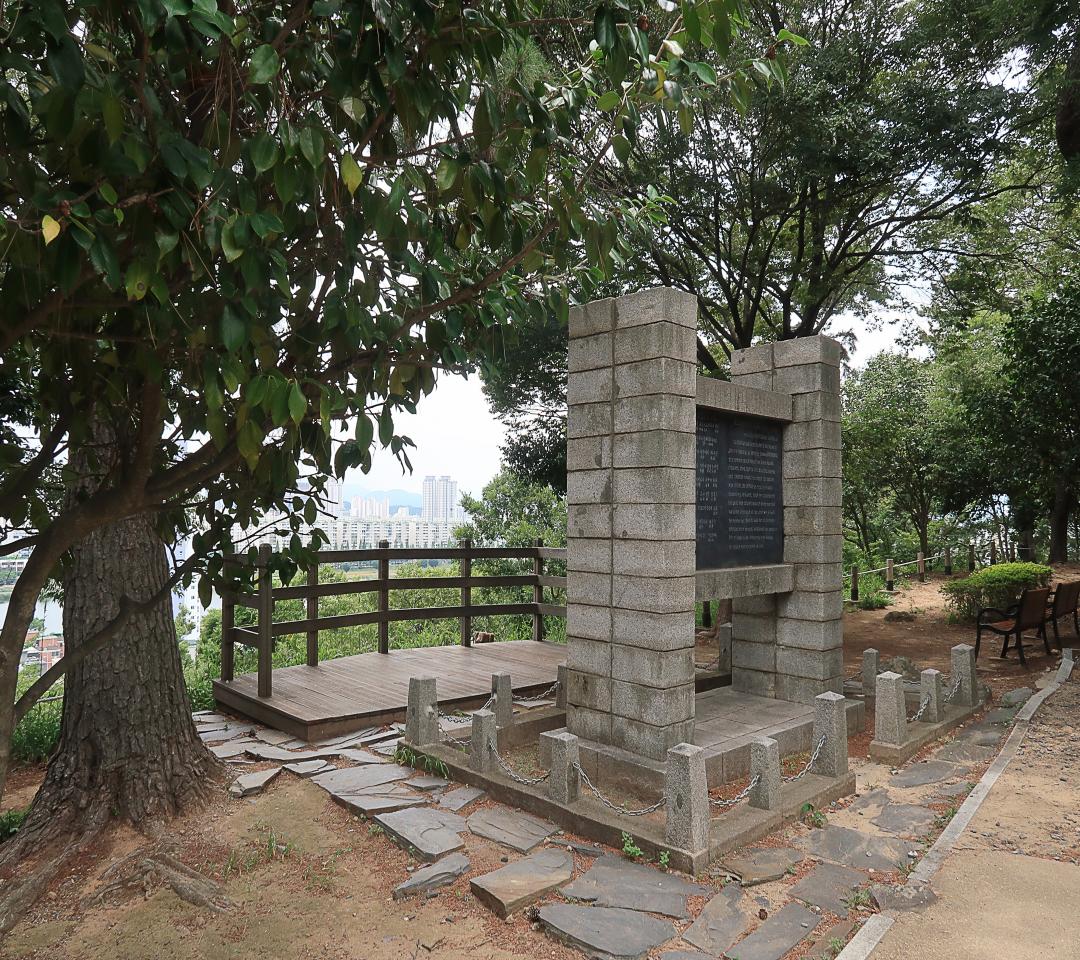
For this reason, the status of Ulsan was raised to “dohobu” and Chunguisa Shrine was built on the opposite side of Ulsan Japanese Fortress to house the ancestral tablets of 242 soldiers who died fighting the battles of Ulsan.
Hakseong Park Area_Ulsan Japanese Fortress
@Registered by : KOREA TOURISM ORGANIZATION