

Sobaeksan National Park
When you think of Europe, the Alps are likely what comes to mind, but did you know South Korea has its very own Alps? It’s the Sobaeksan National Park. This Park is home to peaks that rise over 1,000 meters above sea level. The cool, verdant landscapes are so captivating that make the hearts flutter, earning it the nickname “The Alps of Korea”.
Sobaeksan Mountain stands tall in the center of the Korean Peninsula and is a part of the Baekdudaegan Mountain Range. Connecting Baekdusan Mountain to Jirisan Mountain, the range is the largest and longest mountain range on the Korean Peninsula. And Sobaeksan Mountain holds the range’s majesty and mystery in her depths. The third-largest Korean park following Jirisan and Seoraksan National Park.
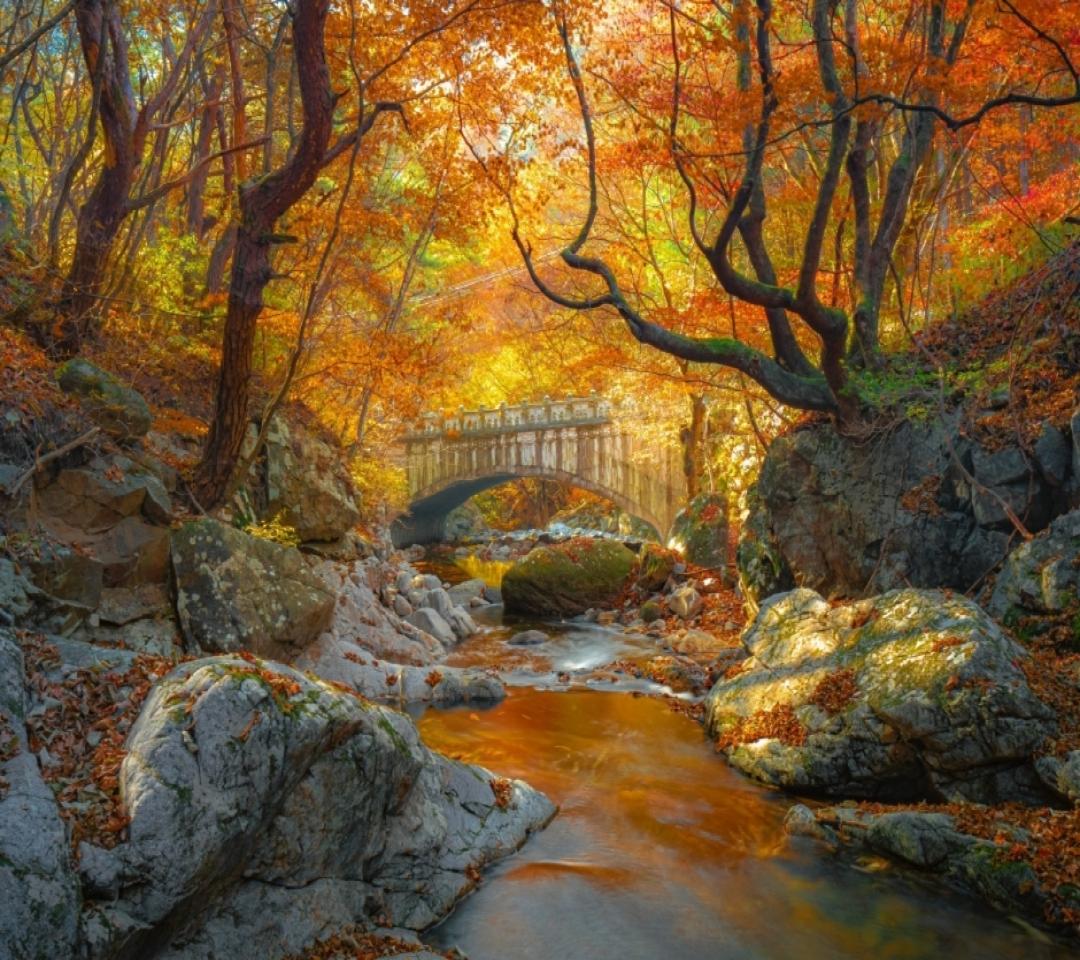
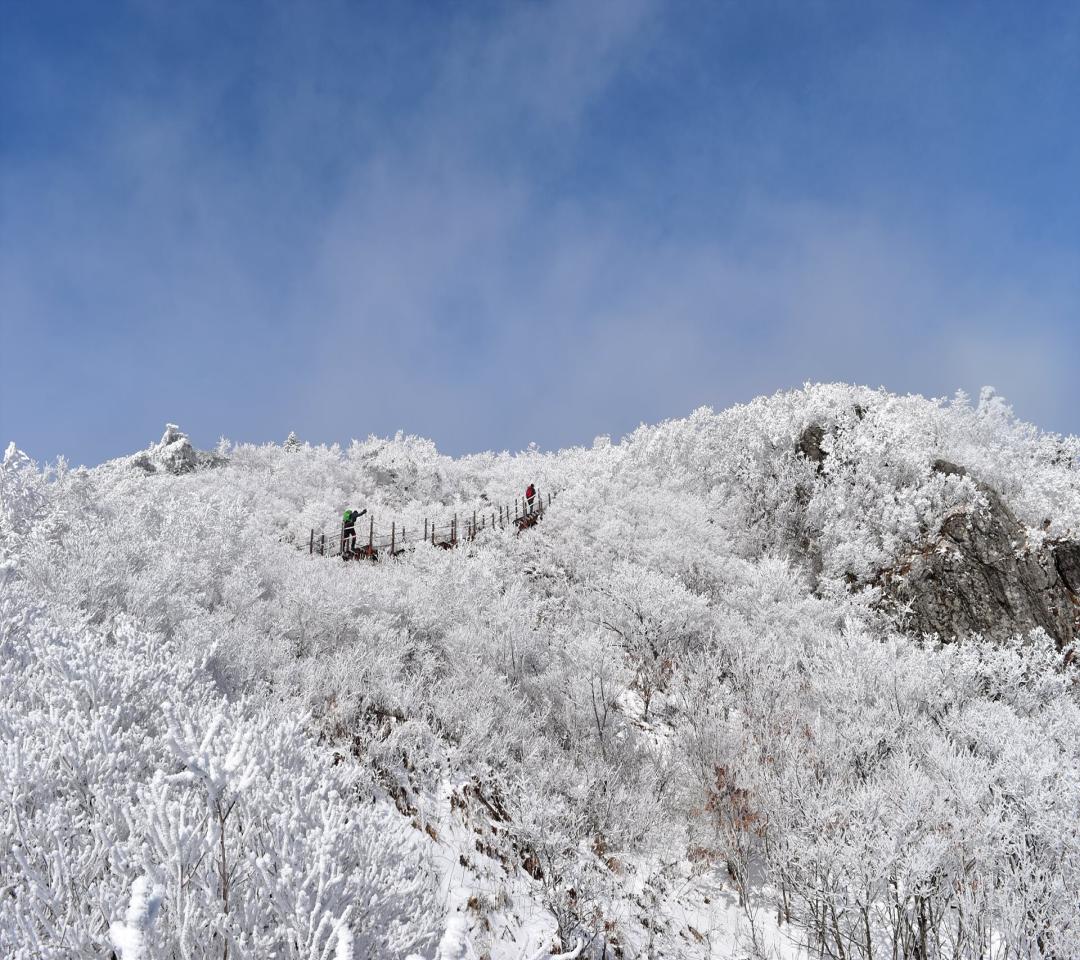
Sobaeksan National Park has azalea in spring, wildflowers in summer, autumn leaves in fall, and snow flowers in winter. This seasonal transformation has earned the name “Heavenly Garden.” In spring, pink azaleas bloom and tickle the hearts. In summer, modest yet beautiful wildflowers are in full bloom. In autumn, the entire mountain is dyed red with the autumn leaves, and in winter, the pure white snow flowers create a superb scenery at the mountain’s peak.
Sobaeksan National Park has many places related to Buddhism. Yeonhwabong, which means "lotus peak," was named because the shape of the mountain resembles a lotus flower. Birobong Peak, named after the Buddhist term “Birojana.”. In particular, Buseoksa Temple, a temple registered as a UNESCO World Heritage Site, is also a place where Buddhist culture flourished during the Silla Dynasty. In Sobaeksan National Park, you can experience various Korean Buddhist cultures, including Buseoksa Temple, Heebangsa Temple, and Yuseoksa Temple.
Walking through Sobaeksan National Park, its unique atmosphere and sites preserving the heritage of Korea can almost transport you to another world.
10, Segye-ro, Wonju-si, Gangwon-do (PC) 26464
TEL : +82-33-738-3852
Copyright© Korea Tourism Organization. All Rights Reserved.